James William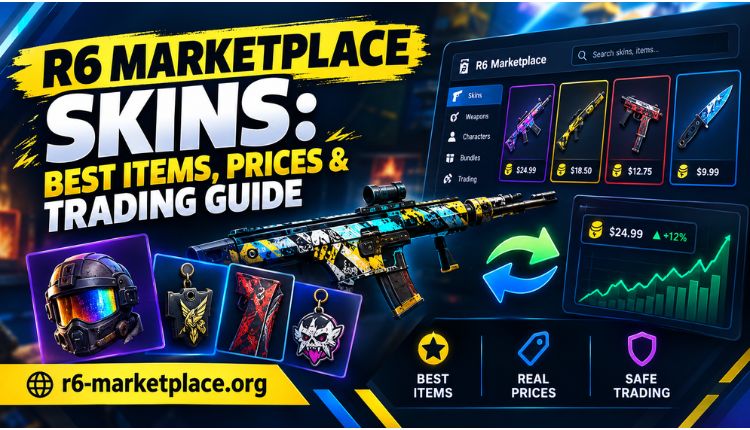
If you’ve spent any time in Rainbow Six Siege, you already know skins are half the fun. Black Ice on your favorite operator’s weapon, a rare Glacier set, a charm you picked up during a limited event two years ago that nobody sells anymore. The R6 Marketplace was Ubisoft’s answer to a question the community had been asking since 2016: why can’t we just trade this stuff with each other?
This guide covers what R6 Marketplace skins actually are, which categories and items hold the most value, how buying and selling worked before the platform went offline, and what to expect when trading resumes. We’ll also point you toward the specific guides on this site that dig deeper into individual skins, sign-up steps, and login troubleshooting, so bookmark this as your starting point.
What Are R6 Marketplace Skins?
R6 Marketplace skins are the cosmetic items Rainbow Six Siege players can list, buy, and sell through Ubisoft’s official trading platform, using R6 Credits as the only accepted currency. That includes weapon skins, operator uniforms, headgear, charms, and drone cosmetics. Nothing here touches gameplay balance. It’s purely visual, which is exactly why Ubisoft was comfortable letting players trade it freely once account security was locked down.
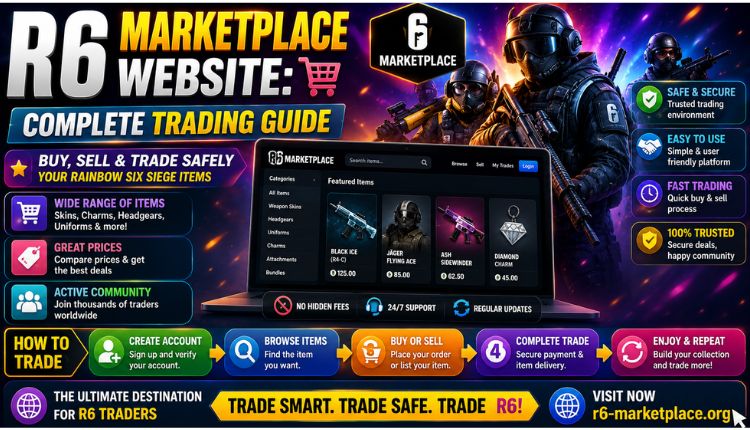
What makes this different from the skin trading that existed before is verification. Every listing runs through a Ubisoft account tied to a real Rainbow Six Siege profile, and the platform uses an order-book system rather than direct chat negotiations. You set a price, the system matches you against the best available offer, and the trade settles instantly. No more hoping a stranger on Discord actually sends the skin after you’ve paid.
For a broader look at how the whole platform functions, our Marketplace R6 Siege guide walks through the full trading flow from account setup to completed transaction.
Current Status: Is the Skins Marketplace Open?
Not right now, and this matters more than most guides let on. Ubisoft’s Marketplace launched on June 10, 2025, alongside the Siege X update, and it ran for about six months before Ubisoft pulled it offline on December 27, 2025, following a security incident. As of this writing, there’s no confirmed relaunch date. Ubisoft has said publicly that account protection and economy rebalancing are the priorities before anything comes back.
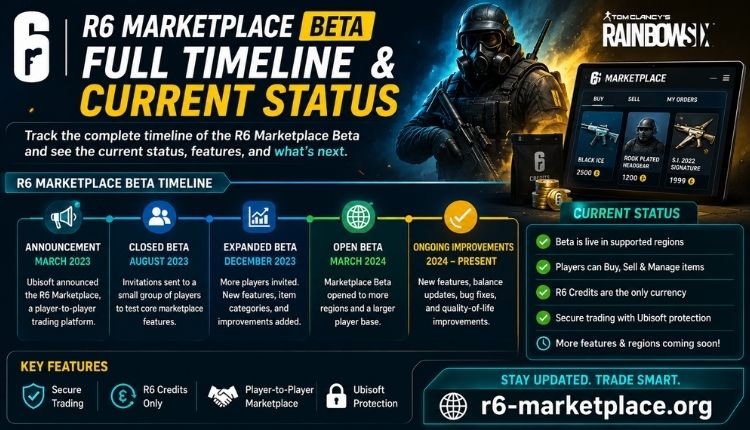
That doesn’t make the rest of this guide obsolete. The mechanics below reflect exactly how the marketplace operated before the shutdown, and by every indication, how it’ll work again once trading reopens. If you want the fuller timeline, including what Ubisoft has and hasn’t said since, our R6 Marketplace Beta guide tracks the whole history.
| Marketplace Skins Snapshot | Detail |
| Launch date | June 10, 2025 |
| Current status | Offline since December 27, 2025 |
| Currency accepted | R6 Credits only |
| Item types | Weapon skins, uniforms, headgear, charms, drone skins |
| Trade model | Order-book matching (not direct chat deals) |
| Account requirement | Verified Ubisoft account with linked Siege profile |
Which R6 Marketplace Skins Hold the Most Value
Rarity and discontinuation drive prices here, the same way they do in most cosmetic economies. A skin still available in the in-game shop is worth a fraction of one that hasn’t been sold in two years. A few categories consistently come up as the ones players search for and hold onto:
Black Ice sets: Easily the most recognizable and most requested line on the marketplace. If you’re weighing which Black Ice weapon to chase, our breakdowns of the MP5 Black Ice, MPX Black Ice, Vector Black Ice, SMG-12 Black Ice, Jäger Black Ice, and Buck Black Ice each cover pricing trends and where the skin ranks against the rest of the set.
Glacier and Obsidian: Two of the older premium lines, both known for holding value well after they stopped appearing in the shop. See our dedicated pages on the Glacier skin, R6 Marketplace Glacier, and Obsidian skin for specifics.
Event and seasonal exclusives: Items like Red Silk, Spellbound, Onami, Aki No Tsuru, Dust Line, Prismatic Glisten, Chroma Streaks, Plasma Pink, Racer 09, and Thermal Antipodes tend to spike in price whenever their original event isn’t running, since there’s no way to get them outside player-to-player trades.
| Skin Category | Example Items | Why the Price Holds |
| Black Ice sets | MP5, MPX, Vector, SMG-12, Jäger, Buck | Legacy line, no longer sold directly |
| Glacier / Obsidian | Weapon skins from both sets | Older premium tiers, limited reissues |
| Seasonal exclusives | Red Silk, Spellbound, Onami, Racer 09 | Tied to expired events, can’t be repurchased |
| Charms | Event and battle-pass charms | Small visual rarity, strong collector demand |
| Uniforms & headgear | Season-exclusive cosmetics | Narrow availability window |
How Buying and Selling Skins Works
The process mirrors a stock exchange more than a typical marketplace, which throws some players off at first. Here’s the short version:
Buying a skin:
- Search for the specific item or browse by category.
- Set the highest price you’re willing to pay.
- The system matches you automatically with the cheapest available listing.
- The item lands in your inventory the moment a match is found.
Selling a skin:
- Choose an eligible item from your inventory (skins from the current season usually can’t be traded until the next one starts).
- Set an asking price based on what similar listings are going for.
- List it and wait for a buyer to match your price.
- R6 Credits land in your account once the sale clears.
If you haven’t gone through account setup yet, our R6 Marketplace sign up guide covers eligibility and the linking process step by step, and the R6 Marketplace login guide is worth a read if two-factor authentication ever gives you trouble. For a wider view of how the buying and selling system compares across platforms, check our Ubisoft R6 Marketplace overview.
Trading on Console vs. PC
Skin trading works the same regardless of platform, since everything routes through your Ubisoft account rather than the device you’re playing on. If you’re on a controller and want the specifics, our R6 Marketplace Xbox guide covers setup and trading from a console. And if you’d rather manage listings without booting up the full game, the R6 Marketplace App guide explains what’s possible from your phone, Visit more
Security Tips for Trading Skins
Account compromise was a major factor behind the December shutdown, so it’s worth taking a few minutes to lock things down before trading resumes:
- Turn on two-factor authentication before you list anything.
- Use a password you’re not reusing anywhere else.
- Compare a listing’s price against recent sales before you buy or sell.
- Ignore anyone who contacts you off-platform claiming to offer a “better trade.”
- Check official Ubisoft channels periodically, since relaunch terms could differ from what was in place before the shutdown.
Frequently Asked Questions
What are the most valuable R6 Marketplace skins?
Black Ice weapon sets, Glacier, and Obsidian tend to top most players’ lists, along with any seasonal cosmetic tied to an event that’s no longer running.
Can I trade skins right now?
No. The marketplace has been offline since December 27, 2025, following a security incident, and Ubisoft hasn’t announced a return date yet.
Do skins lose value once a limited event ends?
Usually the opposite. Once an item stops being available through the shop or event pass, it tends to become harder to find on the marketplace, which pushes prices up rather than down.
Can I trade a skin from the current season?
Historically, no. Items from the active season typically become tradable the following season, once Ubisoft rotates them out of the shop.
Is there a fee for selling a skin?
Ubisoft applied a small transaction fee on completed trades before the shutdown, similar to fees on other in-game marketplaces.
Will old listings carry over when the marketplace reopens?
That hasn’t been confirmed. We’ll update this guide as soon as Ubisoft shares relaunch details.
Final Thoughts
R6 Marketplace skins turned years of informal, scam-prone trading into something players could actually trust, at least for the six months the platform was live. It’s offline for now, but the fundamentals haven’t changed: rarity and discontinuation still drive value, the order-book system still governs how trades match, and the account you set up before the shutdown should still work once Ubisoft flips things back on. Bookmark this page, and check back for updates as new information comes in.